
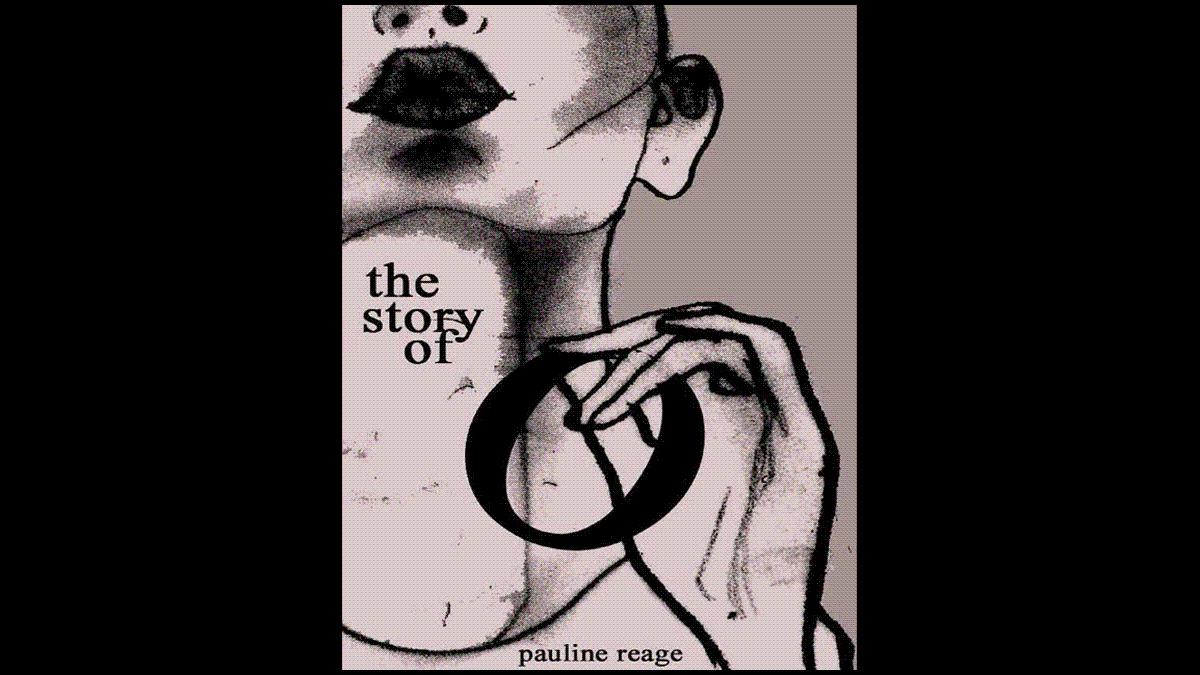
The Story of O, written by Anne Desclos under the pseudonym Pauline Réage, is not here to make you feel sexy, safe, validated, or empowered. It’s here to sit you down, cross its legs, and stare at you until you get uncomfortable. Written in 1954, it predates modern language about consent, which is exactly why it still feels dangerous now.
This book does not flirt.
This book does not ask.
This book already decided.
What It’s About
On paper, The Story of O is about a woman who voluntarily submits herself — body, name, identity, and social existence — to a world where obedience is the only love language that counts.
In reality? It’s about power.
And not the fun “who’s topping tonight?” kind.
Once O says yes, the book treats that yes like a lifetime contract with no return policy. There are no check-ins, no aftercare, no “are we still good?” The consent happens once and then vanishes into the wallpaper. That’s what makes it eerie. Not the sex. The finality.
This Is Not Your Kink’s Publicist
If you came here looking for BDSM as a warm, affirming community with rules, safewords, and mutual respect — baby, this book will eat you alive.
Réage isn’t interested in modern discourse. She’s running an experiment:
What happens when desire isn’t about pleasure anymore, but about erasure?
O doesn’t “find herself.” She loses herself. Slowly. Quietly. Elegantly. Like a woman being written out of her own story in cursive French.
Is It Anti-Woman? Pro-Woman? A Trap?
Yes.
Calling The Story of O misogynistic is easy. Calling it feminist is tempting. Calling it “complicated” is correct.
What matters is that Réage — a woman, writing under a pseudonym — refused to apologize for a fantasy that makes everyone nervous. She didn’t soften it. She didn’t explain it. She didn’t add a wink. She said: some women want this — and then dared the world to deal with that fact.
That’s why people are still arguing about it seventy years later instead of quietly banning it and moving on.
The Writing
Cold. Clean. Beautiful. Mean.
The prose is so calm it feels dangerous. No melodrama. No gushy longing. Just immaculate sentences calmly documenting a woman being reduced to function. It reads less like erotica and more like a very chic instruction manual for existential surrender.
Which somehow makes it hotter and more horrifying at the same time. Don’t ask me to explain that. I’m a comedian, not your therapist.
Final Take
The Story of O isn’t meant to turn you on — it’s meant to test you. Your politics. Your feminism. Your comfort with choice that doesn’t look like freedom.
If you need your erotica to reassure you that everything is fine and nobody’s crossing any lines, close this book immediately and back away slowly.
If you’re willing to admit that desire is messy, contradictory, and occasionally terrifying — welcome to the party.
Bring snacks.
You’re going to be thinking about this one for a while.
Available on Amazon.com.


